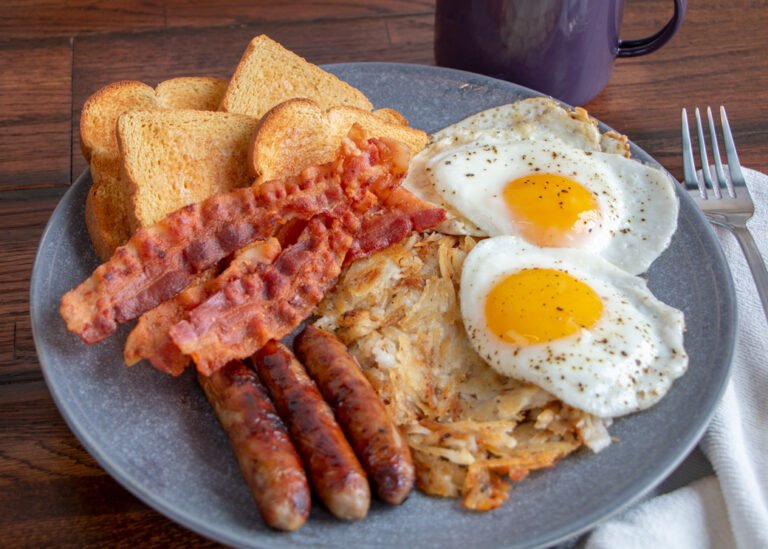
There’s something undeniably comforting about waking up on a lazy Saturday or Sunday to the sizzle of a proper Irish weekend fry-up. It’s not just breakfast—it’s a ritual that turns an ordinary morning into a celebration of Irish hospitality, good ingredients, and pure indulgence. Whether you’re Irish by birth, by heart, or just curious about the full Irish breakfast that’s become a global icon, this guide dives deep into everything you need to know to make, enjoy, and truly appreciate one at home.
What Exactly Is an Irish Weekend Fry-Up?
An Irish weekend fry-up, often called a full Irish breakfast or simply “the fry,” is a hearty plate piled high with fried meats, eggs, vegetables, and traditional breads cooked together in one glorious pan. It’s the kind of meal that sticks with you all day, perfect for weekends when time slows down and you can linger over a pot of strong tea. Unlike quick weekday grabs, this is a slow-cooked feast that brings family and friends together around the table.
The History and Origins of the Traditional Irish Fry-Up
The roots of the Irish fry-up trace back to rural Ireland, where farmers needed a substantial start to fuel long days working the land in damp, chilly weather. Local produce—pork from the family pig, eggs from the hens, and vegetables from the garden—formed the basis of this one-pan wonder. Over time, it evolved from a practical necessity into a beloved weekend tradition, especially after the workweek shifted away from heavy manual labor.
Roots in Irish Rural Life
In the old days, everything was fried in the same skillet with a generous knob of Irish butter or bacon fat, making the most of every scrap. Families in counties like Cork or Kerry passed down recipes emphasizing quality local bacon and puddings. It wasn’t fancy, just honest food that warmed the body and soul before heading out to the fields.
Why It’s a Weekend Tradition Today
Modern life keeps the fry-up reserved for weekends because it’s too filling for a rushed Monday. It shines as a hangover cure after a night out, a special treat when guests visit, or a cozy way to kick off a rainy Sunday with the papers. That’s why it’s called the “weekend” fry-up—pure comfort when you have nowhere to rush.
Essential Ingredients for an Authentic Irish Weekend Fry-Up
At its heart, the Irish weekend fry-up relies on simple, high-quality ingredients that come together in perfect harmony. Rashers (back bacon), pork sausages, black and white pudding, eggs, mushrooms, and tomatoes are non-negotiable, with optional additions like baked beans or potato farls depending on the region. Fresh Irish butter and good bread round it out.
- Rashers: Thick-cut, dry-cured back bacon—salty, not overly crispy like streaky bacon.
- Pork Sausages: Juicy Irish bangers, often herb-seasoned.
- Black Pudding: Blood sausage slices that crisp up beautifully.
- White Pudding: Oatmeal-based, milder cousin to black pudding.
- Eggs: Fried sunny-side up with runny yolks.
- Mushrooms and Tomatoes: Sautéed or grilled for freshness.
- Baked Beans (optional): In tomato sauce for a saucy touch.
- Soda Bread or Potato Farls: Buttered toast or fried potato bread for dipping.
Comparison of Full Irish vs. Ulster Fry
| Component | Full Irish (Republic) | Ulster Fry (Northern Ireland) |
|---|---|---|
| Bread | Soda bread or toast | Soda farls + potato farls |
| Beans | Often included | Sometimes omitted |
| Potato Element | Hash browns or none | Potato farls or boxty mandatory |
| Pudding | Both black and white | Both black and white |
| Overall Feel | Hearty with veg | Extra potato-focused and bready |
Step-by-Step Recipe for the Perfect Irish Weekend Fry-Up at Home
Cooking an authentic Irish weekend fry-up is straightforward if you follow the right order—start with the longest-cooking items and work your way to the quick ones. This recipe serves one generously but scales easily for a crowd. Use a large cast-iron skillet for best results and source the freshest ingredients possible.
Gathering and Prepping Your Ingredients
Begin by laying out everything: 2 sausages, 2 rashers, 2 slices each of black and white pudding, 2 eggs, a handful of mushrooms, 1 tomato halved, and a small tin of baked beans if using. Slice the puddings thick, wipe the mushrooms clean, and have butter and oil ready. Prep takes just 5 minutes but sets you up for success.
The Cooking Sequence: Timing Is Everything
The secret to a perfect fry-up is sequencing so nothing overcooks or goes cold. Sausages first, then bacon and puddings, followed by veg and eggs last. This keeps flavors melding in the shared fat while everything stays hot when plated.
Frying the Sausages and Rashers
Heat a tablespoon each of oil and butter over medium heat. Add sausages and cook 10-15 minutes, turning often until golden and cooked through. Push them aside, then fry rashers 3-4 minutes per side until the edges crisp but the center stays juicy. The bacon fat infuses everything else with irresistible flavor.
Adding Black and White Pudding
Slice puddings 1cm thick and add to the pan once meats are nearly done. Fry 2-3 minutes per side until crispy outside and soft inside. Black pudding gets a deep, earthy taste; white brings subtle spice. They’re what make this distinctly Irish.
Cooking Mushrooms, Tomatoes, and Beans
Sauté mushrooms in the remaining fat until golden, about 4 minutes. Grill tomato halves cut-side down for 2 minutes. Warm beans separately in a small pot or push them into a corner of the pan. These add color, acidity, and balance to the rich meats.
Frying the Eggs and Serving
Crack eggs into the pan last, basting with hot fat for lacy edges and runny yolks. Toast or fry soda bread or farls while eggs set. Plate everything together, add a pat of butter to the bread, and serve with hot tea. Total time: about 25 minutes.
Regional Variations Across Ireland
Ireland’s geography shapes its fry-up, with subtle differences that reflect local pride and available produce. What’s standard in one county might seem incomplete in another, but all versions deliver that same satisfying punch.
The Full Irish in the Republic
Down south, expect a balanced plate with plenty of veg, beans in sauce, and slices of buttered soda bread. It’s versatile for brunch or even a light lunch, emphasizing fresh tomatoes and mushrooms alongside the meats.
The Ulster Fry in Northern Ireland
Up north, the Ulster fry swaps some veg for extra potato farls and soda farls fried golden. Beans might be skipped, letting the bready elements shine. It’s heartier still, a true carb-lover’s delight rooted in Ulster traditions.
Health Considerations and Nutritional Breakdown
A classic Irish weekend fry-up packs protein and energy but isn’t exactly light. One plate delivers around 800-1200 calories depending on portions, with high fat from frying. It’s a treat, not daily fare, but smart swaps can lighten it without losing soul.
Pros and Cons of Enjoying an Irish Fry-Up
Pros
- High protein for sustained energy
- Customizable to taste or dietary needs
- Brings people together socially
- Ultimate comfort food on cold days
Cons
- Calorie-dense and fried
- Time-intensive to prepare
- Not ideal for everyday eating
- Requires quality ingredients for best results
Modern Twists for a Healthier Version
Grill instead of fry, use turkey sausages, or add spinach for greens. Vegetarian versions swap puddings for halloumi or veggie sausages. Many Irish homes now offer these lighter takes while keeping the weekend spirit alive.
Where to Enjoy the Best Irish Fry-Up in Ireland
Nothing beats experiencing the real deal in Ireland itself. From bustling Dublin cafés to quiet countryside B&Bs, the fry-up is elevated with local sourcing and warm service. Look for spots in Cork or Galway for standout versions.
Top Spots Worth the Trip
Try family-run guesthouses in Killarney or Belfast’s traditional cafés. Many pubs serve it all day on weekends. Search for “best full Irish breakfast” in your destination—locals are happy to point you to their favorites.
Pairing Your Fry-Up: Drinks, Breads, and Sides
A proper fry-up deserves thoughtful pairings to cut through the richness. Strong Barry’s or Lyons tea is classic, but coffee or fresh orange juice works too. Brown sauce or HP sauce on the side adds tangy depth.
Must-Have Breads and Extras
Buttered soda bread or potato farls are essential for mopping up yolks and juices. Some add fried potato bread or a side of colcannon on extra-hungry days. Keep it simple—less is more when the plate is already loaded.
Common Pitfalls and How to Avoid Them
Even seasoned cooks hit snags with a fry-up. Overcrowding the pan leads to steaming instead of frying. Starting everything at once means some items burn while others stay raw.
Tips from Experience
Cook in batches if needed and keep finished items warm in a low oven. Don’t skimp on butter—it’s what makes it Irish. Taste as you go; good rashers and puddings make all the difference.
People Also Ask About the Irish Weekend Fry-Up
What is an Irish weekend fry-up made of?
It features bacon rashers, sausages, black and white pudding, eggs, mushrooms, tomatoes, and often beans, all fried together with Irish bread on the side.
How does a full Irish breakfast differ from a full English?
The Irish version highlights white pudding and soda bread or farls; the English often includes fried bread, more beans, and sometimes bubble and squeak.
Is black pudding essential in an Irish fry-up?
Yes for authenticity—it adds unique texture and flavor that sets the Irish version apart from other British Isles breakfasts.
Can you make a vegetarian Irish weekend fry-up?
Absolutely—swap meats for plant-based sausages, halloumi, and extra veg while keeping the frying technique and breads intact.
Where can I buy authentic ingredients outside Ireland?
Specialty Irish shops or online suppliers stock proper rashers, puddings, and soda bread mix for a genuine taste at home.
Frequently Asked Questions (FAQ)
How long does it take to cook an Irish weekend fry-up?
About 25-30 minutes from start to plate if you prep ingredients first and follow the right cooking order.
Is the Irish fry-up suitable for beginners?
Yes—it’s forgiving as long as you don’t rush the meats. Start simple with fewer items and build confidence.
What drinks pair best with a full Irish breakfast?
Hot tea is traditional, but coffee, fresh juice, or even a Bloody Mary for brunch elevates the experience.
Can I prepare parts ahead of time?
You can pre-cook sausages and puddings, then reheat and fry eggs fresh for quicker service.
Why is it called a “weekend” fry-up?
It’s too substantial for busy weekdays but perfect for relaxed mornings when you can savor every bite without rushing.
The Irish weekend fry-up isn’t just food—it’s a slice of Irish life on a plate. Whether you recreate it at home or seek it out on your next trip to the Emerald Isle, one thing is certain: after your first proper fry, you’ll be hooked. Grab that skillet, source the best local (or imported) ingredients, and treat yourself. Your weekends will never be the same. Sláinte!
About the Author